You used to walk a few miles without thinking twice. You could play a round of golf, spend an afternoon gardening, work out, play pickleball, or simply reach into a kitchen cabinet without wondering how much it was going to hurt.
Then something changed.
Maybe it started as a nagging pain in your heel that you assumed would eventually go away. Maybe your shoulder became increasingly stiff and painful. Perhaps your elbow now complains every time you lift, grip, or repeat the same motion. You rested. You stretched. You tried ice, heat, over-the-counter pain relievers, or other treatments. Yet the pain keeps coming back.
If plantar fasciitis, frozen shoulder, bursitis, tennis elbow, or another chronic musculoskeletal problem is beginning to interfere with the things you enjoy, you may be looking for options beyond simply living with it.
One treatment you may have heard about is acoustic shockwave therapy. But what exactly is it? Does it hurt? Does it really work? And how does it compare with medications, injections, rest, or surgery?
Here’s what you should know.
What Is Acoustic Shockwave Therapy?
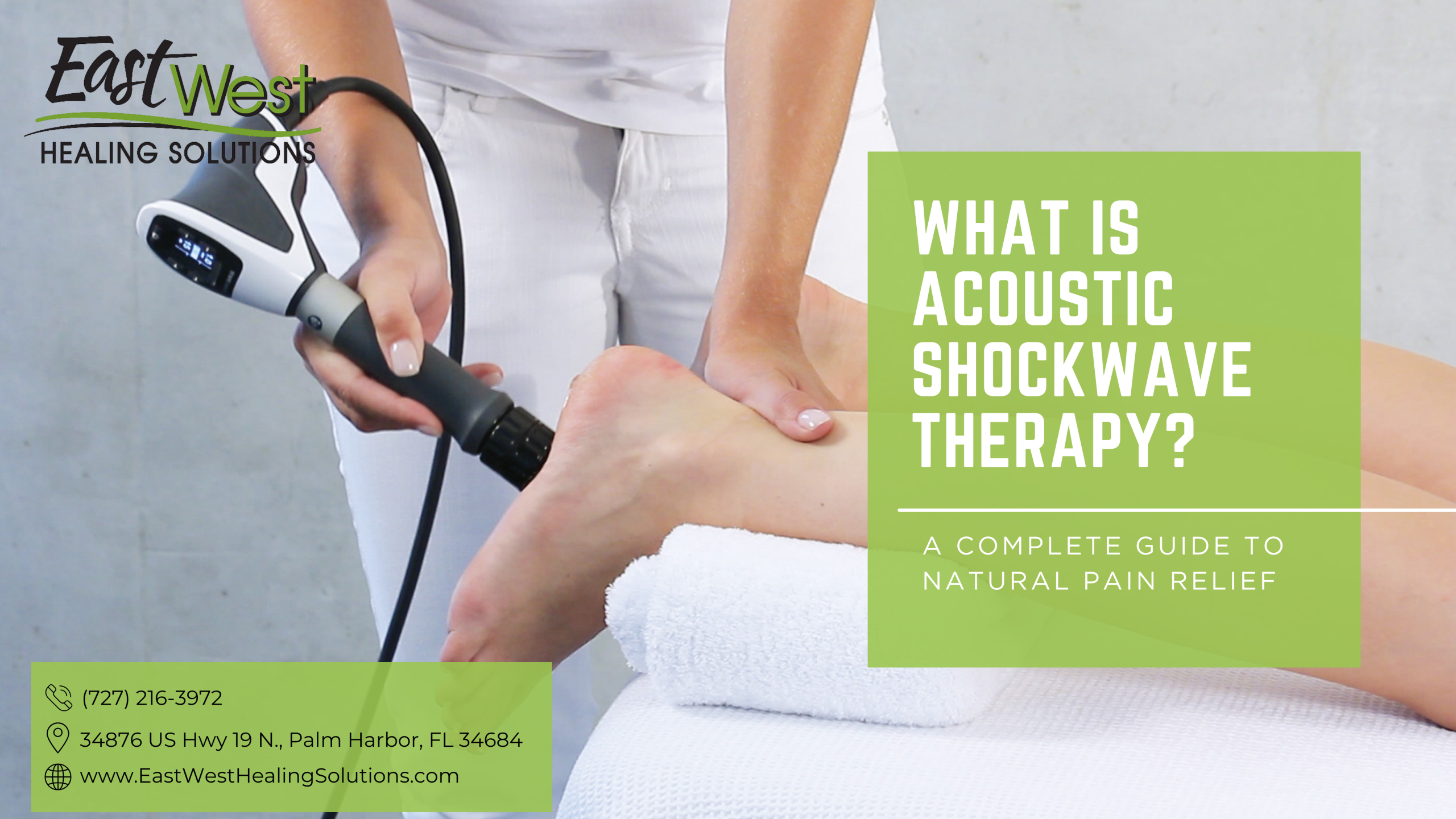
Despite the name, acoustic shockwave therapy does not involve an electrical shock. Instead, the treatment uses acoustic energy that is delivered through a handheld applicator to a targeted area of the body.
These acoustic waves interact with the treated tissue and are used to stimulate biological responses associated with circulation, tissue repair, and pain reduction. Shockwave therapy has been used for a variety of musculoskeletal conditions, particularly certain chronic tendon and soft-tissue problems.
Depending on the individual and diagnosis, it may be considered for conditions such as plantar fasciitis, tennis elbow, Achilles tendinopathy, and certain shoulder and tendon problems.
One of the biggest advantages for many patients is that shockwave therapy is non-invasive. There are no surgical incisions, and treatment is generally performed in an outpatient setting.
However, shockwave therapy isn’t appropriate for every person or every type of pain. Identifying what is causing your discomfort is an important first step in determining whether this treatment may be right for you.
“Does Shockwave Therapy Hurt?”
This is one of the most understandable concerns people have before their first treatment.
During acoustic shockwave therapy, you may feel tapping, pulsing, pressure, or some temporary discomfort as the applicator moves over the treatment area. An area that is already particularly sensitive may feel more uncomfortable during treatment.
Treatment intensity can generally be adjusted according to the area being treated and your tolerance.
It’s also helpful to put the experience into perspective when comparing shockwave therapy with other treatment options.
A cortisone injection involves a needle and medication. Surgery may involve anesthesia, an incision, recovery time, and rehabilitation. Shockwave therapy is non-invasive and generally allows patients to return to much of their normal routine without the recovery associated with surgery.
That doesn’t mean we should call the treatment completely painless. Everyone experiences treatment differently. Knowing what to expect ahead of time can make the experience much less intimidating.
“I’ve Been Hurting for Months. Why Would This Work Now?”
Chronic pain can be incredibly frustrating, especially when you feel as though you’ve already tried everything.
You may have rested the painful area. You may have tried stretching, ice, heat, braces, shoe inserts, massage, physical therapy, over-the-counter medications, or injections. Perhaps something helped temporarily, only for the pain to return as soon as you became active again.
When a tendon or soft-tissue problem becomes chronic, simply giving it more time may not always be enough.
One reason shockwave therapy has become an option for certain chronic musculoskeletal conditions is that the treatment isn’t designed simply to cover up discomfort. The acoustic energy delivered to the targeted area is intended to stimulate biological activity within the tissue.
It’s important to keep expectations realistic. Shockwave therapy is not a guaranteed cure, and results vary depending on the individual and the condition being treated.
But having pain for months—or even longer—doesn’t automatically mean you are out of conservative treatment options or that surgery is necessarily your next step.
“Why Not Just Take an Anti-Inflammatory or Get a Cortisone Shot?”
Medications and injections can be useful tools, and there are situations where a healthcare provider may recommend them.
The question isn’t whether one treatment is universally “better” than another. The better question is: What approach makes the most sense for your particular condition?
Over-the-counter or prescription medications may help manage pain and inflammation. They can be convenient and effective for some people, but symptom relief doesn’t necessarily address the underlying cause of a chronic tendon or soft-tissue problem. Certain medications may also have risks or may not be appropriate for frequent or prolonged use.
Cortisone injections can provide meaningful relief for some conditions and some patients. However, results vary, relief may be temporary, and repeated injections may not be appropriate in every situation.
Shockwave therapy takes a different approach. It is drug-free and non-invasive, and the acoustic energy is intended to stimulate a biological response within the targeted tissue.
There are trade-offs here, too. Shockwave therapy doesn’t work for every condition or every person. Multiple treatments may be recommended, and improvement isn’t necessarily immediate.
A good treatment plan isn’t about automatically choosing the newest option. It’s about choosing an approach based on your diagnosis, symptoms, goals, and overall health.
“Wouldn’t It Be Better to Just Rest Until It Goes Away?”
If you have an acute injury, rest and activity modification can be extremely important. But chronic pain can create a frustrating cycle:
It hurts, so you rest. You start feeling better, so you become active again. The pain returns, so you rest again.
After months of repeating this cycle, “just rest it” can become increasingly difficult advice to follow—especially if you’re otherwise healthy and active.
You don’t necessarily want to stop walking, working out, golfing, gardening, traveling, playing pickleball, or doing projects around the house. You simply want to do those things without constantly worrying about how much you’re going to hurt afterward.
For certain chronic conditions, shockwave therapy may be considered as part of a broader treatment plan designed to address the painful tissue rather than relying indefinitely on avoiding the activities that aggravate it.
That doesn’t mean rest, stretching, strengthening, or activity modification suddenly become unnecessary. Depending on your condition, these may still be important parts of your overall treatment plan.
“If My Pain Is This Bad, Don’t I Need Surgery?”
Not necessarily.
Surgery is sometimes the appropriate treatment, particularly when there is structural damage or another medical issue that requires surgical intervention. But the fact that you’ve experienced pain for a long time does not automatically mean surgery is your only remaining option.
Surgery may involve anesthesia, incisions, recovery time, rehabilitation, time away from work or activities, and the risks associated with any surgical procedure.
Acoustic shockwave therapy is different. There are no surgical incisions, and treatment generally does not require the type of extended recovery associated with surgery.
For the right patient and condition, it may offer another conservative treatment option to explore before considering a more invasive procedure.
The key phrase is “for the right patient.”
Shockwave therapy shouldn’t be positioned as a replacement for medically necessary surgery. A proper evaluation can help determine the source of your pain and which treatment options make sense for your particular situation.
How Quickly Will I Feel Better?
When you’ve been hurting for a long time, it’s natural to want relief as quickly as possible.
Some people may notice changes relatively early in treatment, while others experience improvement more gradually over the course of their treatment plan.
Your response can depend on several factors, including the condition being treated, how long you’ve had it, the severity of the problem, your overall health and activity level, and whether other therapies are being used alongside shockwave therapy.
This is why you should be cautious of anyone promising that you’ll be “pain-free” after a specific number of treatments.
The goal should be meaningful improvement in pain and function, not an overnight miracle.
What Happens During an Acoustic Shockwave Therapy Appointment?
If you’ve never experienced shockwave therapy, knowing what happens during an appointment can make the process feel much less intimidating.
Your provider will first discuss your symptoms and health history and evaluate the area causing you discomfort. Once the appropriate treatment area has been identified, gel may be applied to the skin to help transmit the acoustic energy.
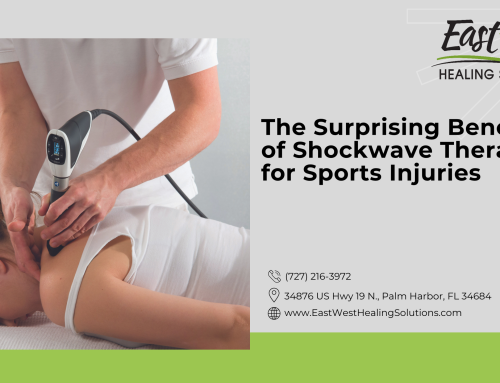
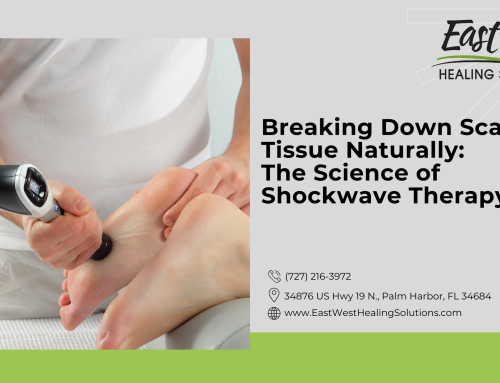
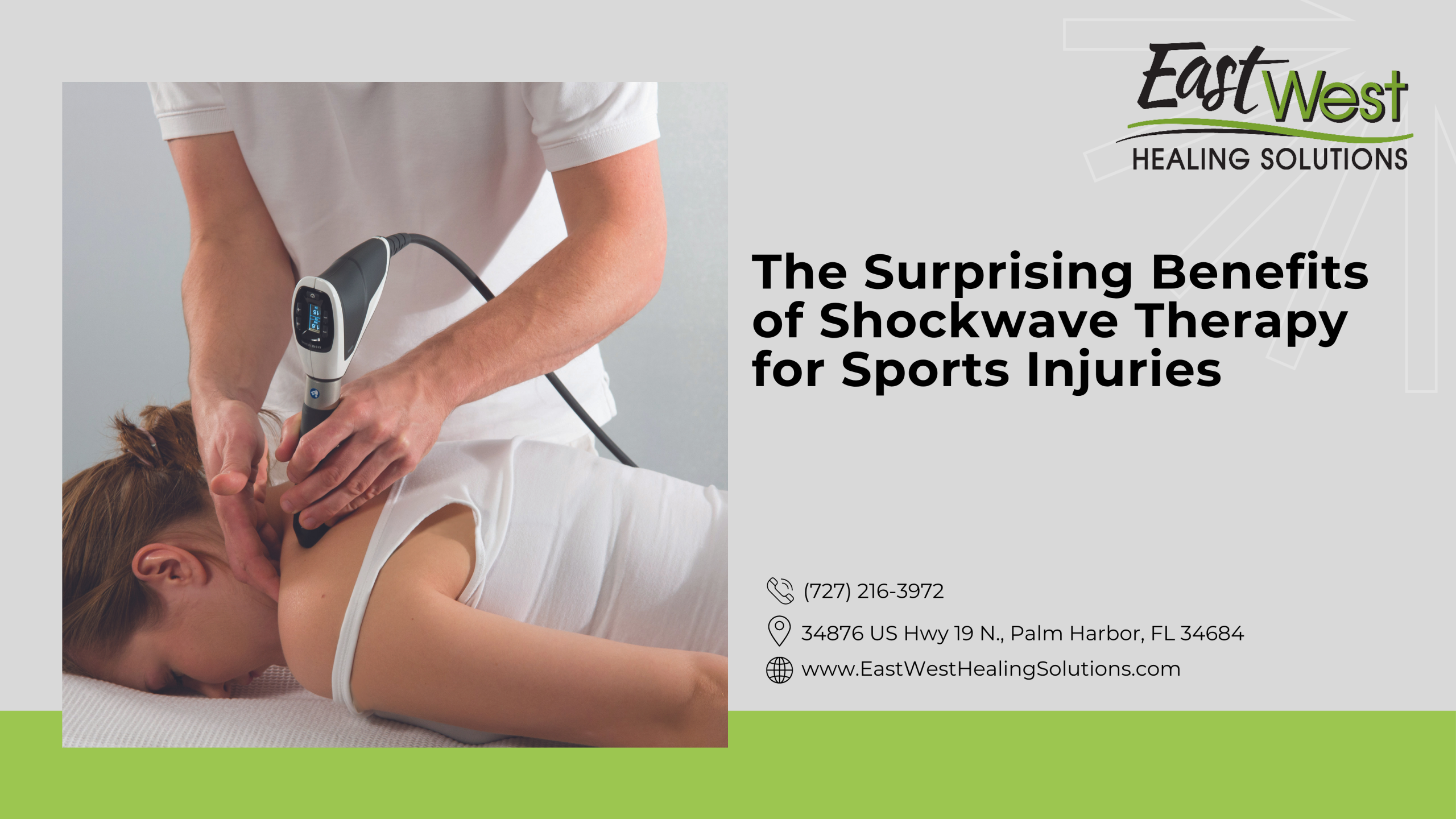
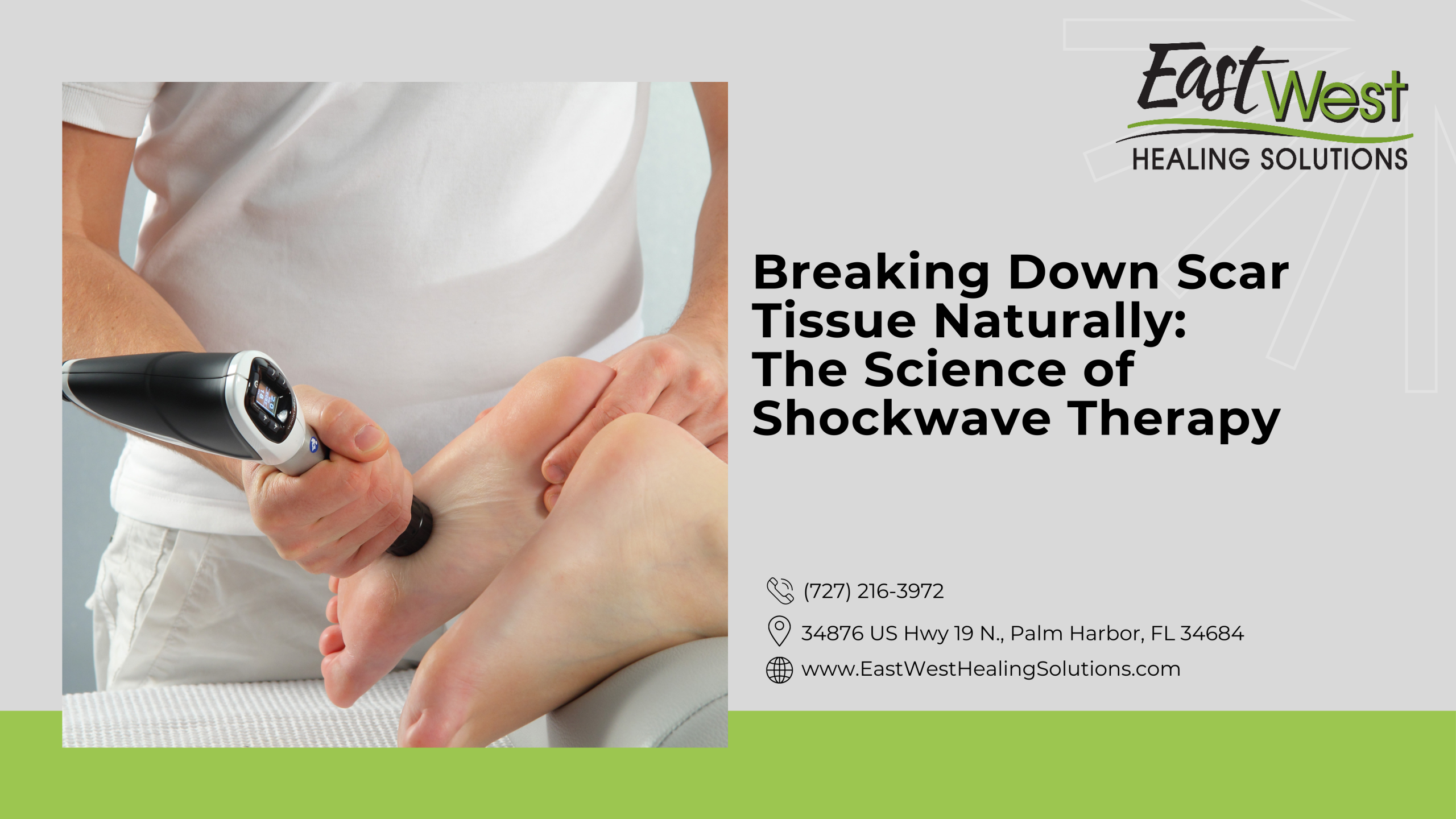
A handheld applicator is then used to deliver acoustic waves to the targeted area. You may feel repetitive tapping or pulsing as the treatment is performed.
Your provider can adjust treatment based on the area being treated, your response, and the appropriate treatment protocol.
Afterward, you’ll receive guidance about activity and any recommendations for your treatment plan. Depending on your condition, a series of treatments may be recommended rather than a single session.
Could Shockwave Therapy Help You Get Back to Doing What You Love?
Ultimately, most people aren’t searching for shockwave therapy because they’re fascinated by acoustic energy.
They’re searching because they’re tired of hurting.
You want to get out of bed without dreading those first painful steps across the floor.
You want to reach overhead without your shoulder stopping you.
You want to pick up a grocery bag without your elbow complaining.
You want to walk, golf, garden, exercise, travel, play with your grandchildren, or enjoy your favorite activities without constantly calculating how much pain they might cause later.
That’s what addressing chronic pain is really about.
For certain musculoskeletal conditions, acoustic shockwave therapy may provide a non-invasive, drug-free option that can become part of a larger plan to help improve comfort, mobility, and function.
You Don’t Have to Assume Chronic Pain Is Your New Normal
It’s easy to start adapting your life around chronic pain without even realizing you’re doing it. You walk a little less. You stop playing a sport you love. You avoid certain movements. Eventually, those little adjustments can begin to feel normal.
But persistent pain deserves to be evaluated.
Acoustic shockwave therapy offers a non-invasive, drug-free treatment option for certain chronic tendon and musculoskeletal conditions. It doesn’t require surgery or lengthy downtime, but it also isn’t a magic solution for every type of pain.
The first step is understanding why you’re hurting and whether acoustic shockwave therapy is appropriate for you.
If plantar fasciitis, frozen shoulder, bursitis, tennis elbow, or another stubborn ache is keeping you from doing the things you enjoy, schedule an appointment with East West Healing Solutions.
We’ll evaluate what’s going on, discuss your treatment options, and help determine whether acoustic shockwave therapy could be an appropriate part of your plan.
Don’t let another month go by simply hoping the pain will disappear. Contact East West Healing Solutions today to schedule an appointment or request a consultation and take the first step toward moving—and living—more comfortably. Call: (727) 216-3972