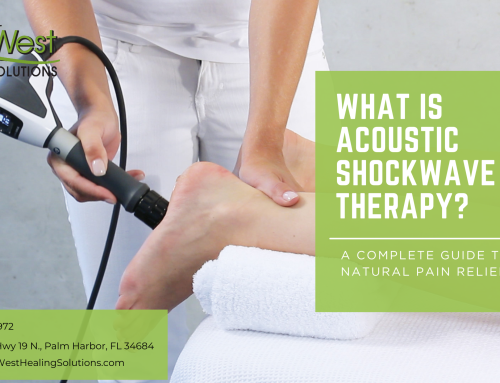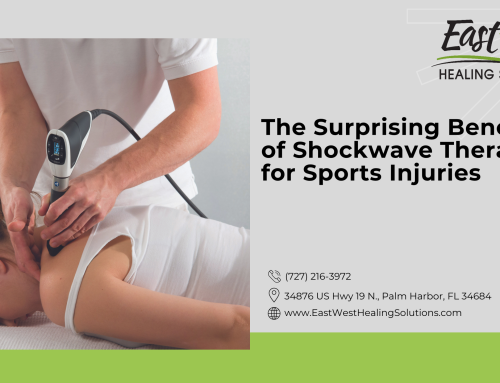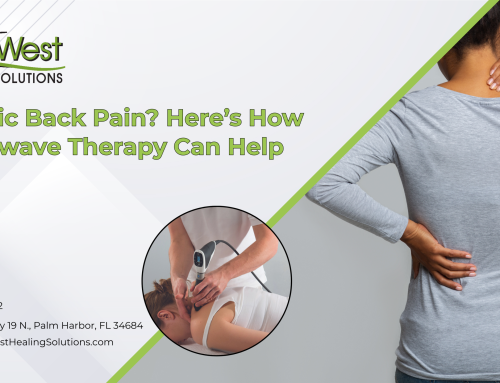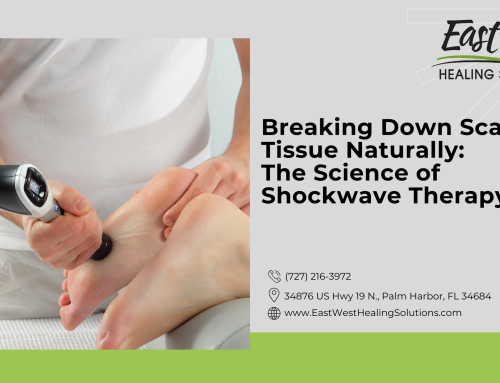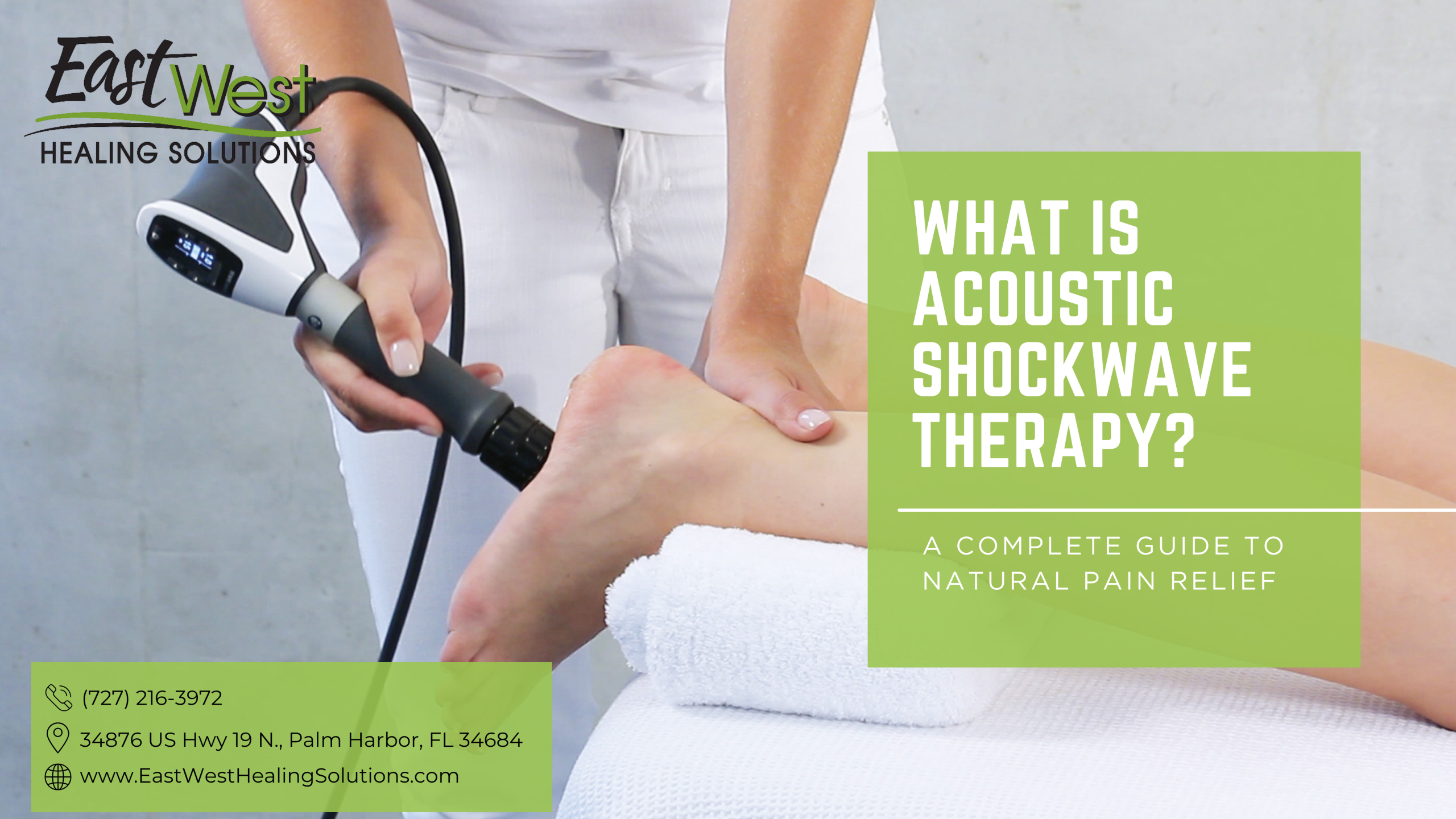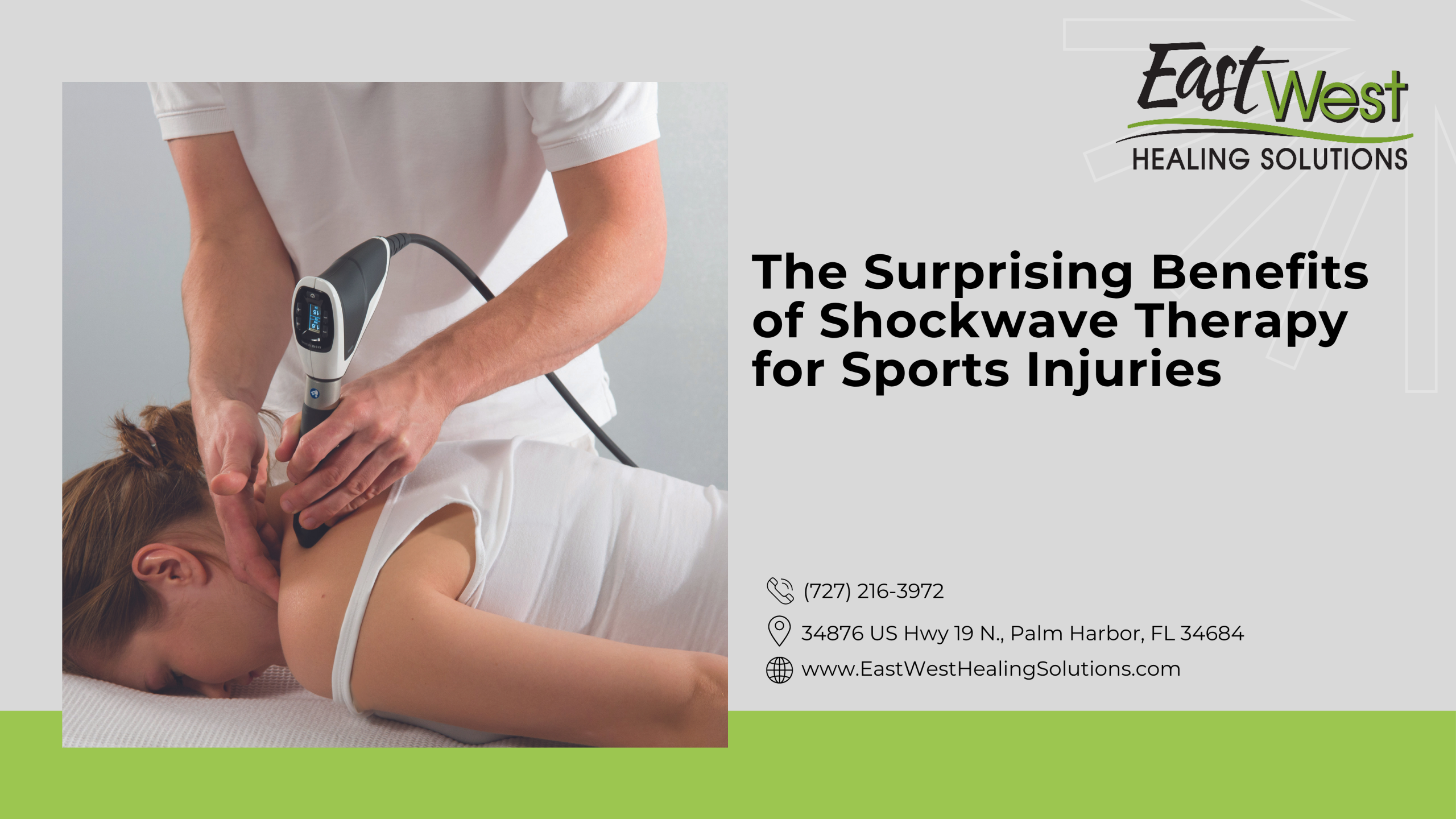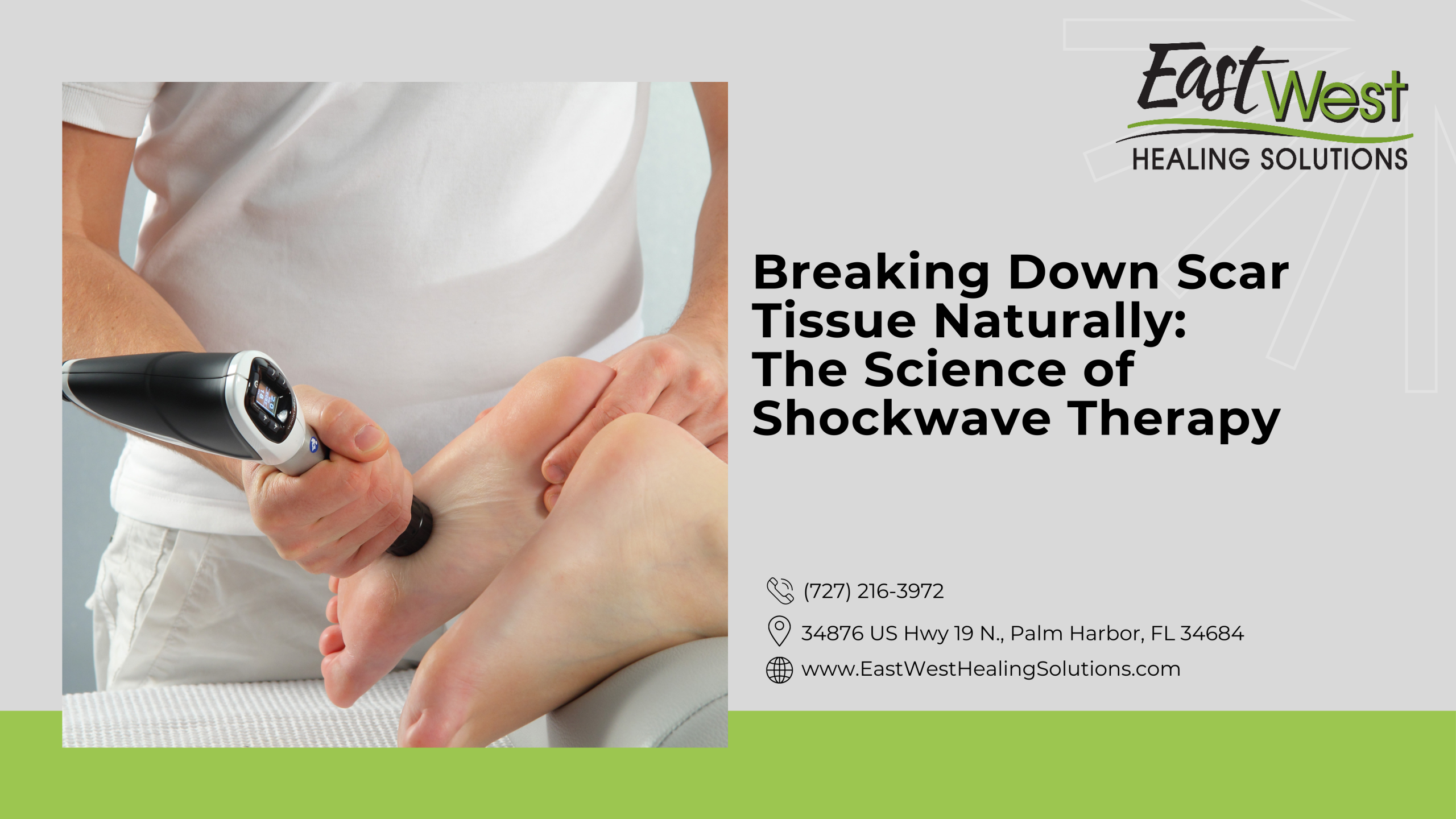
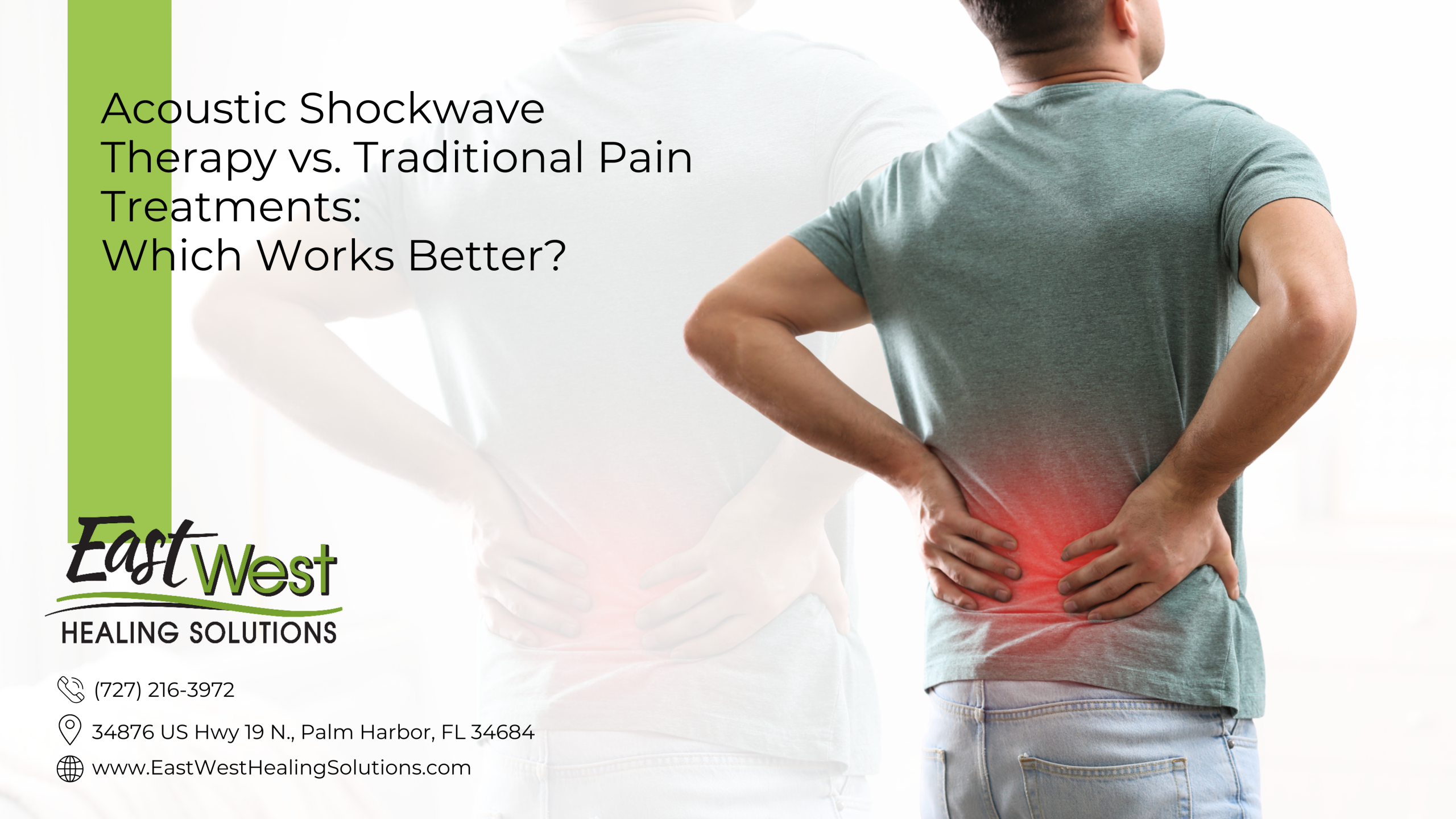
When chronic pain begins affecting your quality of life, finding the right treatment becomes a top priority. Many people start with traditional approaches such as pain medications, injections, physical therapy, or even surgery. While these treatments can provide relief in certain situations, they may not always address the underlying cause of the pain.
As more patients seek non-invasive and drug-free solutions, acoustic shockwave therapy has gained attention as an innovative option for treating a variety of musculoskeletal conditions. But how does it compare to traditional treatments? Understanding the differences can help you make a more informed decision about your care.
Understanding the Goal of Pain Treatment
Before comparing treatment options, it is important to understand what effective pain management should accomplish. The ideal treatment doesn’t simply reduce symptoms temporarily—it helps restore function, improve mobility, and support long-term healing.
Many traditional pain treatments focus primarily on symptom management. While symptom relief is important, lasting results often require addressing the source of the problem rather than masking discomfort.
This is where acoustic shockwave therapy stands apart. Instead of merely covering up pain signals, it works to stimulate the body’s natural healing mechanisms.
How Traditional Pain Medications Work
Pain medications are often one of the first recommendations for individuals dealing with chronic pain. Over-the-counter anti-inflammatory drugs and prescription medications can help reduce discomfort and improve day-to-day function.
However, medications generally work by blocking pain signals or reducing inflammation rather than repairing damaged tissue. Once the medication wears off, symptoms often return.
Long-term use of certain medications may also come with potential side effects, including digestive issues, liver concerns, dependency risks, or other health complications. While medication can play a role in pain management, many patients seek alternatives that support healing rather than ongoing symptom control.
Comparing Shockwave Therapy to Cortisone Injections
Cortisone injections are frequently used to reduce inflammation and provide temporary relief for joint, tendon, and soft tissue pain. In some cases, injections can be very effective in calming acute flare-ups.
The challenge is that injections typically focus on reducing inflammation rather than stimulating tissue repair. Relief may last for weeks or months, but symptoms can return if the underlying problem remains unresolved.
Acoustic shockwave therapy works differently. By stimulating blood flow, cellular activity, and tissue regeneration, treatment encourages the body to repair itself. Rather than suppressing the body’s response, it promotes healing within the affected area.
How Physical Therapy and Shockwave Therapy Complement Each Other
Physical therapy remains one of the most valuable tools for improving strength, flexibility, and movement patterns. It helps patients regain function and prevent future injuries.
However, progress in physical therapy can sometimes be limited when pain levels remain high. In these situations, acoustic shockwave therapy may help accelerate recovery by addressing damaged tissues and reducing discomfort.
Many healthcare providers find that combining shockwave therapy with physical therapy creates a powerful treatment strategy. As pain decreases and healing improves, patients may be better able to participate in exercises that strengthen and stabilize the affected area.
The Difference Between Surgery and Shockwave Therapy
Surgery may be necessary for certain structural problems or severe injuries. However, surgery often involves risks, recovery time, anesthesia, and significant rehabilitation.
For many patients, surgery is considered only after conservative treatments have been exhausted. Acoustic shockwave therapy offers a non-invasive alternative that requires no incisions, no anesthesia, and little to no downtime.
While not every condition can be treated without surgery, many patients appreciate having a treatment option that may help delay or even eliminate the need for more invasive procedures.
How Acoustic Shockwave Therapy Supports Natural Healing
One of the key advantages in the discussion of acoustic shockwave therapy vs traditional pain treatments is its ability to activate the body’s natural healing response.
The acoustic waves stimulate circulation, encourage new blood vessel formation, increase cellular activity, and help break down scar tissue. These biological responses support tissue repair and recovery at the source of the pain.
By improving the body’s ability to heal itself, shockwave therapy often addresses the root cause rather than simply managing symptoms.
Conditions Commonly Treated with Shockwave Therapy
Acoustic shockwave therapy has been used to help patients experiencing a wide range of musculoskeletal conditions. These may include chronic back pain, neck pain, plantar fasciitis, tennis elbow, Achilles tendonitis, shoulder pain, hip pain, bursitis, and various soft tissue injuries.
Many of these conditions involve chronic inflammation, tissue degeneration, or impaired healing. Shockwave therapy helps stimulate regenerative processes that support recovery and improve function.
Because every patient is unique, a professional evaluation is important to determine whether treatment is appropriate for your condition.
Treatment Experience and Recovery Time
One factor that makes acoustic shockwave therapy appealing is its convenience. Sessions are typically short and performed in an outpatient setting. Most patients can resume normal daily activities immediately after treatment.
By comparison, injections may require activity modifications, and surgical procedures often involve extended recovery periods. For busy individuals seeking effective treatment with minimal disruption to their lives, shockwave therapy can be an attractive option.
Many patients begin noticing improvements over a series of treatments as healing continues to progress.
Evaluating Long-Term Results
When comparing acoustic shockwave therapy vs traditional pain treatments, long-term outcomes are often an important consideration.
Treatments that only suppress symptoms may require ongoing maintenance or repeated interventions. Shockwave therapy aims to improve tissue health and stimulate healing, which may lead to more sustainable improvements over time.
While results vary depending on the condition and individual patient, many people appreciate a treatment approach focused on restoration rather than temporary symptom relief.
Which Treatment Option Is Right for You?
There is no one-size-fits-all answer when it comes to pain management. Some patients benefit from medication, physical therapy, injections, surgery, or a combination of treatments. The best approach depends on the cause of the pain, overall health, treatment goals, and lifestyle.
What makes acoustic shockwave therapy especially appealing is its ability to provide a non-invasive, drug-free treatment option that works with the body’s natural healing processes. For many patients, it fills the gap between conservative care and more invasive procedures.
Discover a Different Approach to Pain Relief
If you’ve been struggling with ongoing pain and are looking for alternatives to medication, injections, or surgery, acoustic shockwave therapy may be worth exploring. By targeting the source of discomfort and stimulating the body’s natural healing response, it offers a unique approach to recovery and pain management.
At East West Healing Solutions, we are committed to helping patients find effective, personalized treatment options that support long-term wellness and improved quality of life.
Call (727) 216-3972 today to schedule an appointment and learn whether acoustic shockwave therapy could be the right solution for your pain.