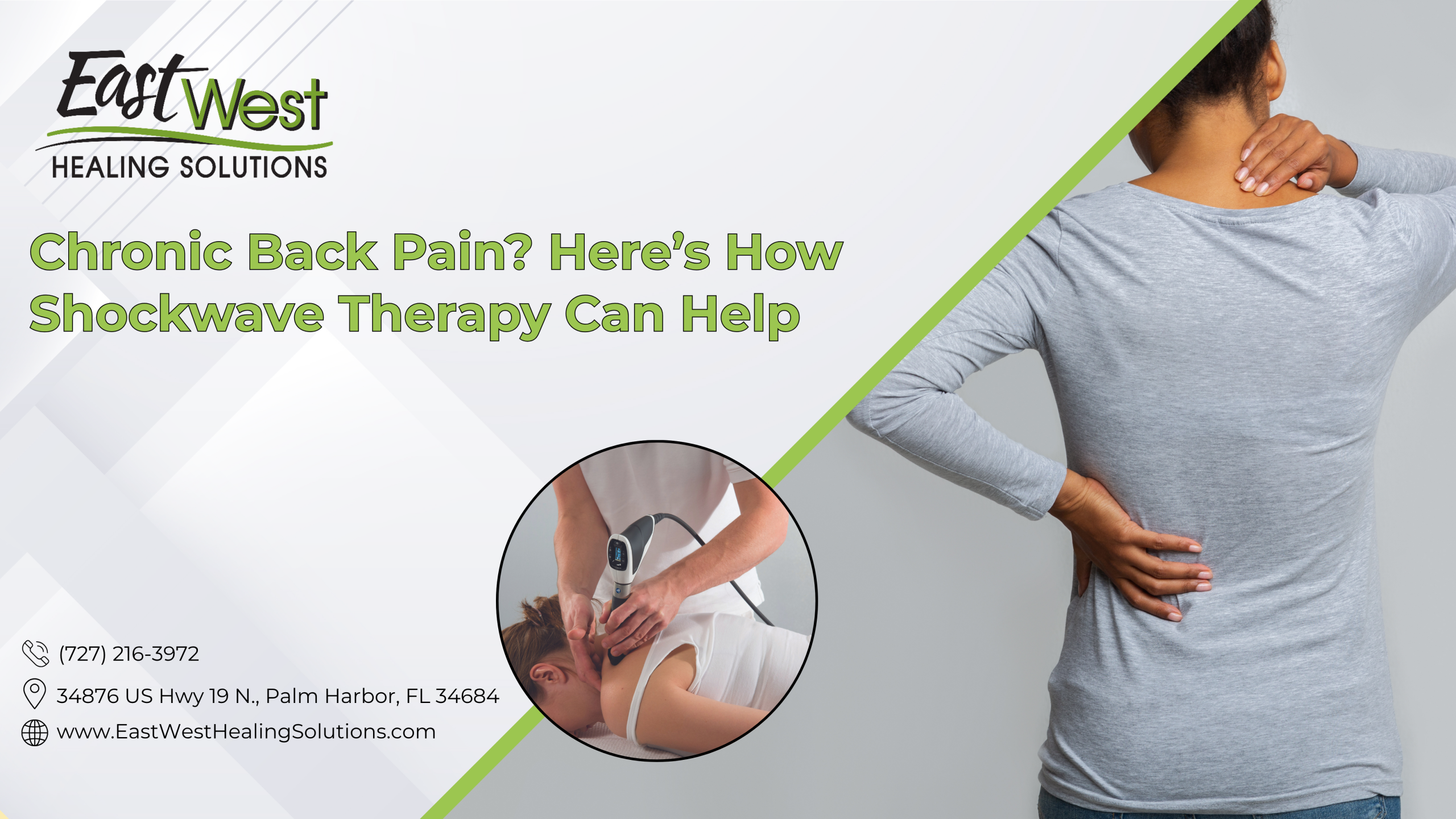
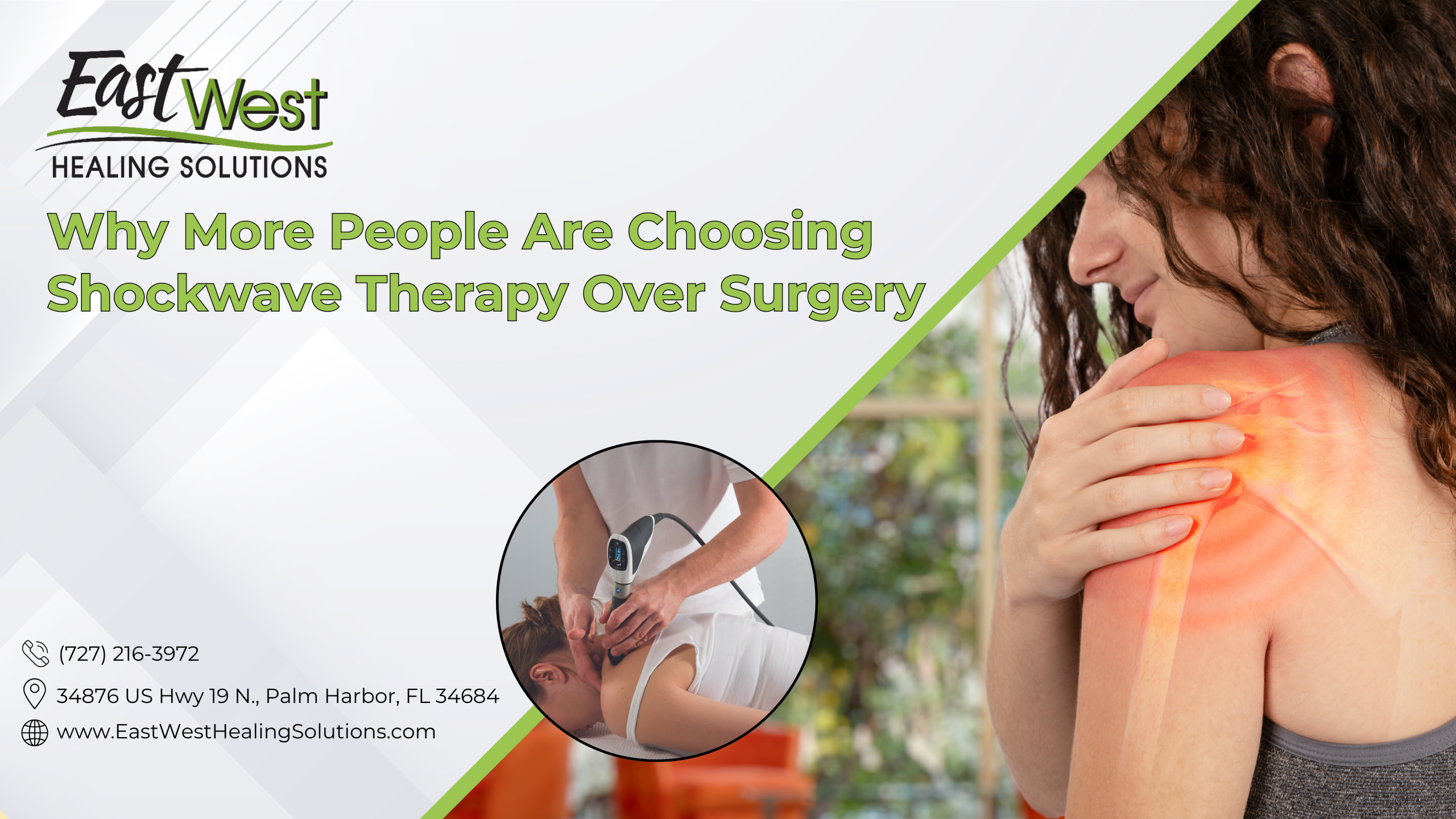
When chronic pain, tendon problems, or stubborn injuries interfere with everyday life, many people assume their choices are limited: live with the discomfort, rely on medications, or eventually consider surgery. But advances in non-invasive treatments are giving patients another option. Increasingly, people are exploring shockwave therapy over surgery as a way to address certain musculoskeletal conditions without incisions, anesthesia, or a lengthy surgical recovery.
Shockwave therapy is designed to stimulate the body’s natural healing response using targeted acoustic waves. For the right patient and condition, it may offer an effective step between conservative home care and more invasive procedures.
What Is Shockwave Therapy?
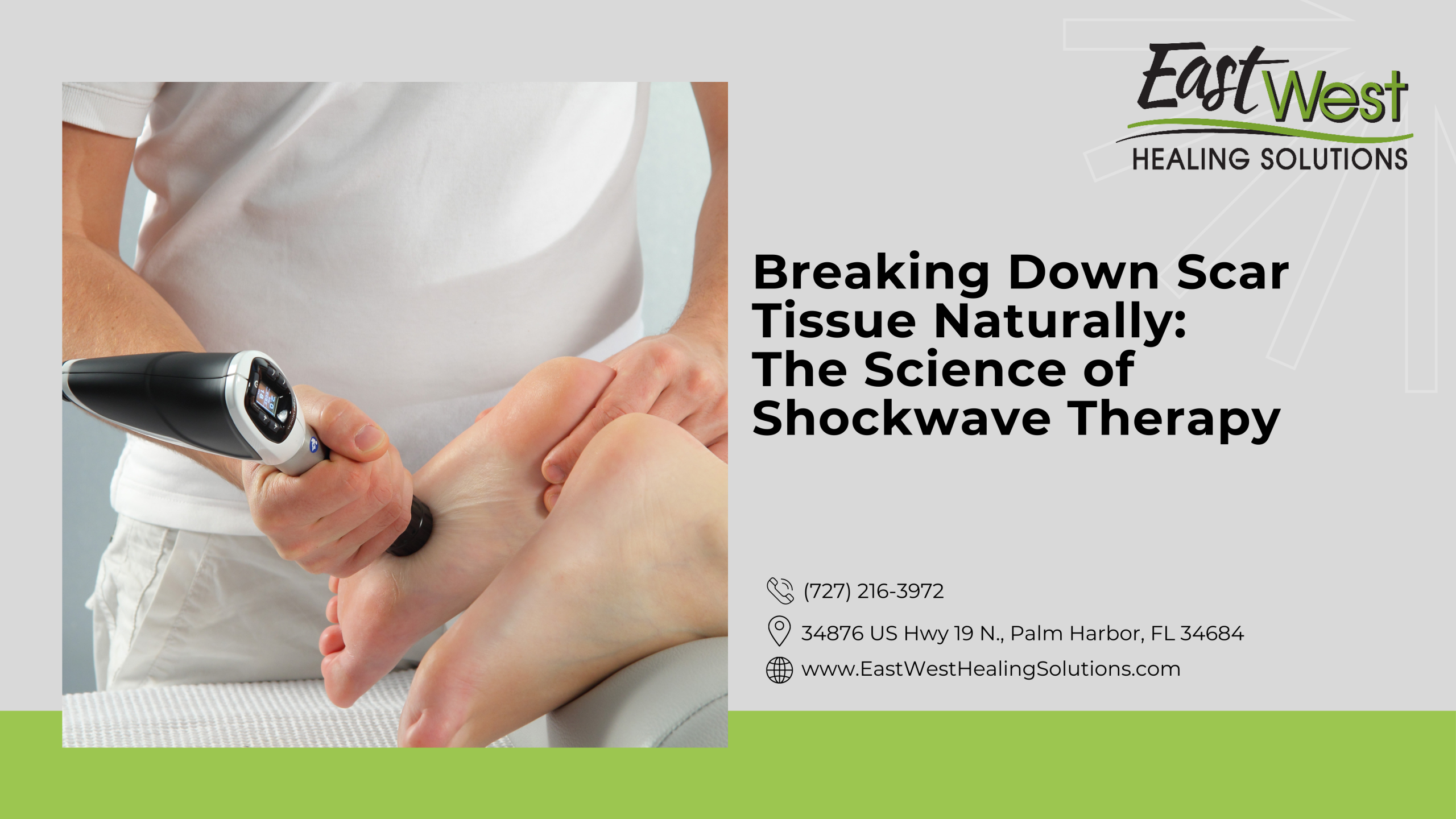
Shockwave therapy is a non-invasive treatment that delivers controlled acoustic waves to an injured or painful area of the body.
These waves are directed into targeted tissue with the goal of stimulating biological responses associated with healing. Depending on the condition, shockwave therapy may help improve local circulation, encourage tissue repair, reduce pain, and address areas that have not responded well to more traditional conservative treatments.
Unlike surgery, shockwave therapy does not require an incision. Treatments are typically performed in an outpatient setting, allowing patients to return home immediately afterward.
Why Consider Shockwave Therapy Over Surgery?
One of the biggest reasons patients are interested in shockwave therapy over surgery is simple: they want to explore less invasive options first.
Surgery can be necessary and highly beneficial for certain injuries and medical conditions. However, it also comes with considerations such as anesthesia, surgical risks, postoperative pain, rehabilitation, time away from work, and activity restrictions.
For appropriate conditions, shockwave therapy may provide another avenue to explore before considering a surgical procedure. There are no surgical incisions or stitches, and treatment generally requires far less disruption to a patient’s normal routine.
That can be particularly appealing to active adults who want to stay mobile and avoid an extended recovery whenever medically appropriate.
Shockwave Therapy May Help With Stubborn Chronic Pain
Chronic musculoskeletal pain can be frustrating, especially when rest, stretching, ice, activity modifications, or other conservative approaches have not provided enough relief.
Shockwave therapy is commonly explored for certain tendon and soft-tissue conditions, including plantar fasciitis, Achilles tendinopathy, tennis elbow, and some forms of shoulder or other musculoskeletal pain.
These conditions can sometimes linger because injured or degenerative tissue is not healing as expected. Shockwave therapy is intended to stimulate activity in the treatment area and encourage the body’s own repair processes.
Rather than simply masking discomfort, the goal is to address the affected tissue and support healing.
There Is Typically Less Downtime Than Surgery
Recovery time is a major consideration when comparing shockwave therapy over surgery.
A surgical procedure may require patients to take time away from work, exercise, household responsibilities, or favorite activities. Depending on the procedure, recovery may involve weeks or months of rehabilitation.
Shockwave therapy is different. Because there are no incisions or surgical wounds, downtime is generally limited. Some people experience temporary soreness, tenderness, redness, or mild swelling in the treated area, but many patients can continue with much of their normal routine.
Individual recommendations will vary based on the injury, treatment area, and overall health of the patient.
Shockwave Therapy Does Not Require Anesthesia or Incisions
For many patients, avoiding surgery isn’t only about recovery time. The procedure itself can feel intimidating.
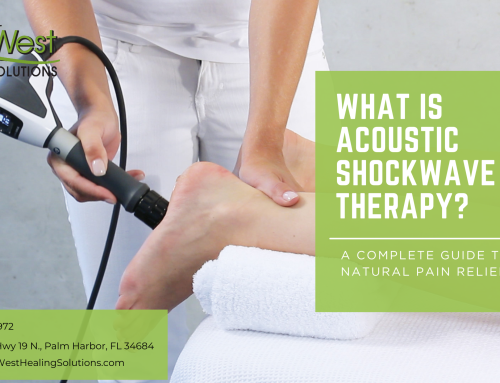
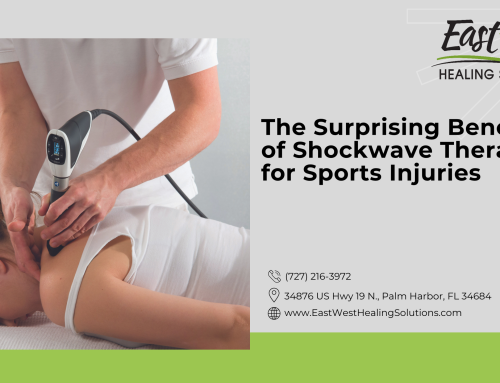
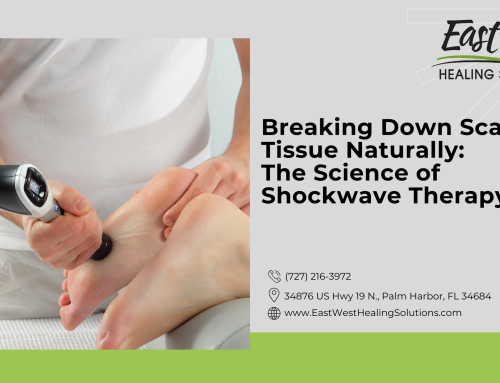
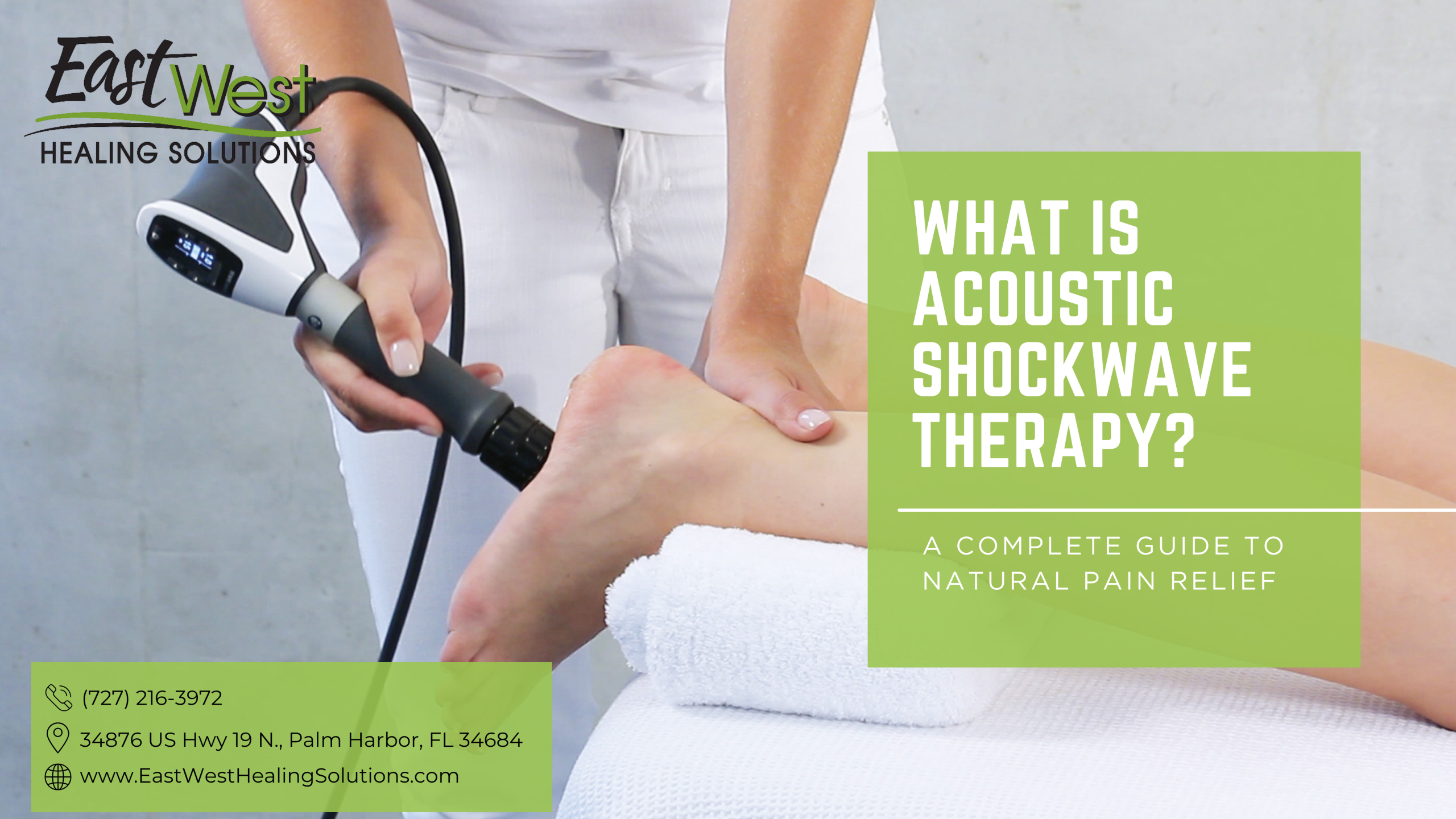
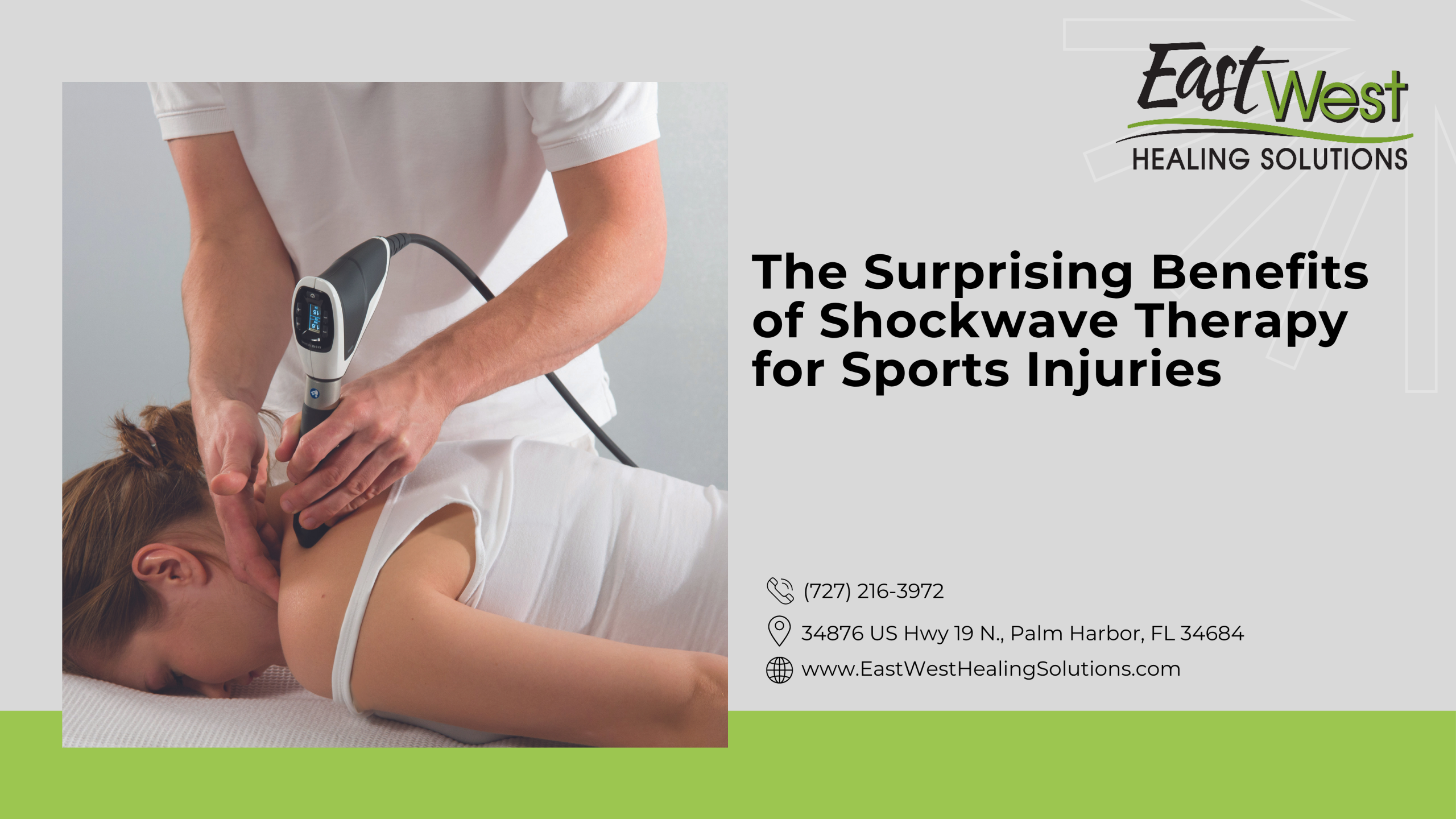
Shockwave therapy does not require general anesthesia or surgical incisions. A handheld device is used externally over the targeted treatment area to deliver the acoustic waves.
Treatments are generally relatively short, although the exact length and number of sessions depend on the condition being treated and the individual treatment plan.
For people who are hesitant about invasive procedures, this can make shockwave therapy an option worth discussing with a qualified provider.
It Works With the Body’s Natural Healing Response
Another reason people are considering shockwave therapy over surgery is its approach to healing.
The treatment is designed to stimulate the body’s natural biological response rather than surgically altering or removing tissue. Acoustic waves delivered to the targeted area may promote circulation and cellular activity associated with tissue repair.
This makes shockwave therapy particularly interesting for chronic conditions that have stopped improving despite time and conservative care.
It is important to remember, however, that healing takes time. Shockwave therapy is not necessarily an instant fix. Some patients notice changes relatively quickly, while others may experience gradual improvement as the body responds over the weeks following treatment.
Who May Be a Good Candidate for Shockwave Therapy?
Shockwave therapy is not appropriate for every person, injury, or source of pain. A proper evaluation is essential.
It may be considered for patients dealing with certain chronic tendon, fascia, or musculoskeletal problems, particularly when other conservative treatments have not produced the desired improvement.
The location of the injury, how long symptoms have been present, previous treatments, medical history, and overall health can all affect whether shockwave therapy is appropriate.
That is why treatment should begin with an evaluation rather than assuming that one therapy is right for every type of pain.
Shockwave Therapy and Surgery Aren’t an Either-Or Decision
Choosing shockwave therapy over surgery does not mean surgery is bad or should always be avoided. There are conditions where surgery is clearly the most appropriate course of treatment.
Instead, the value of shockwave therapy is that it may provide another option for certain patients before moving to a more invasive procedure.
The right question isn’t necessarily, “How can I avoid surgery at all costs?” A better question may be, “What treatment options are appropriate for my condition, and have I explored reasonable non-surgical approaches?”
Having more treatment options allows patients and providers to make decisions based on the specific injury rather than assuming surgery is automatically the next step.
Could Shockwave Therapy Help You Avoid Surgery?
If you’ve been dealing with persistent pain or an injury that doesn’t seem to heal, you may have more options than you realize. For appropriate patients, choosing shockwave therapy over surgery may provide an opportunity to support healing, reduce pain, and improve function without the downtime associated with an invasive procedure.
At East West Healing Solutions, we look at the individual—not simply the painful area—to determine which therapies may be appropriate for your needs.
Ready to find out whether shockwave therapy could be an option for you?
Call East West Healing Solutions at (727) 216-3972 to book an appointment and discuss your treatment options.