
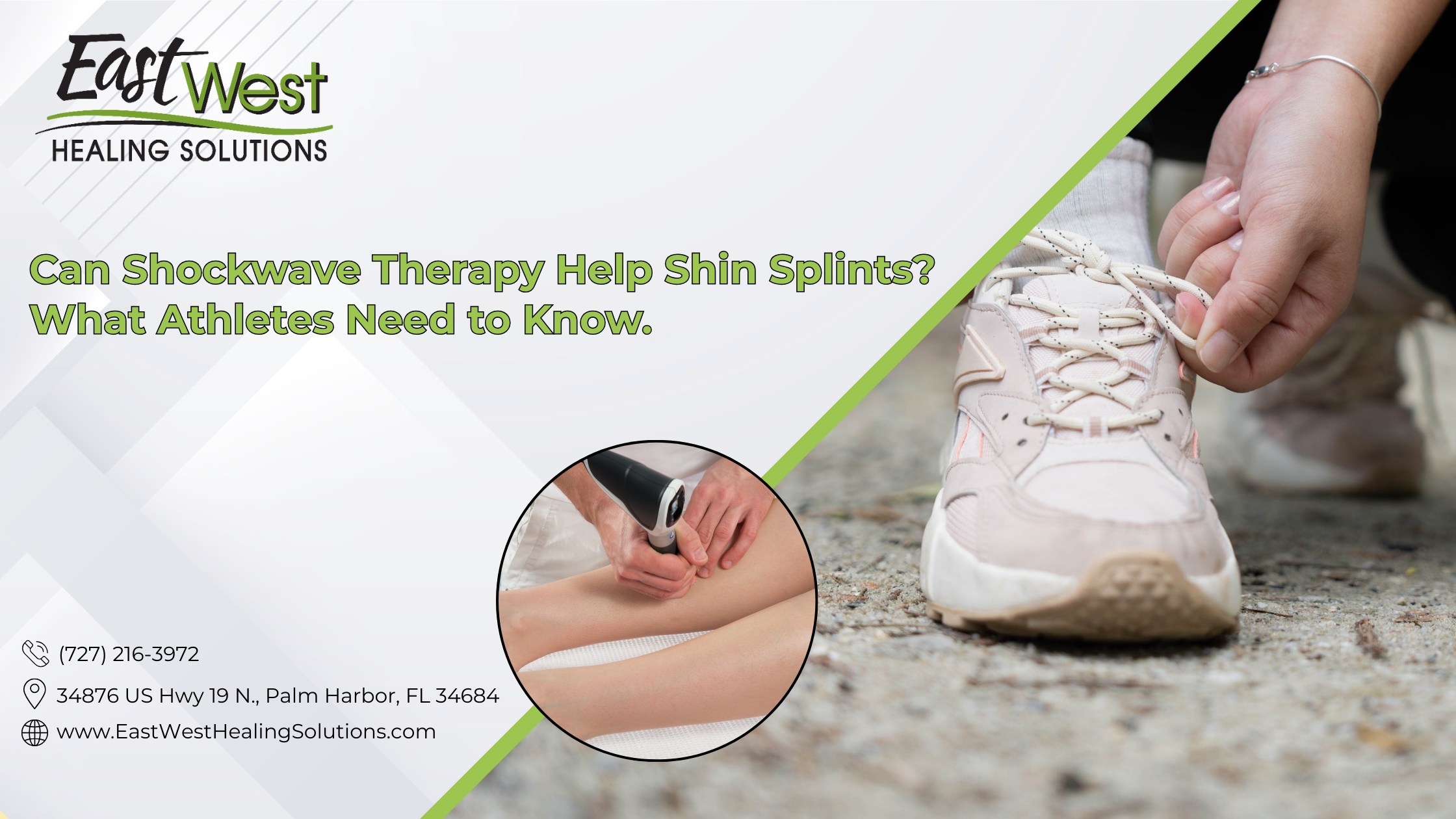
Shin splints are one of the most frustrating and persistent injuries athletes face. Whether you’re a runner, dancer, soccer player, or weekend warrior, the sharp or aching pain along the shinbone can stop your training in its tracks. If rest, ice, stretching, and traditional therapies haven’t brought lasting relief, you may be wondering if shockwave therapy for shin splints is a solution worth exploring. This guide breaks down what athletes need to know, how it works, and who may benefit most.
Understanding Shin Splints and Why They Happen
Shin splints, clinically referred to as medial tibial stress syndrome, occur when the muscles, tendons, and bone tissue around the tibia become overworked and inflamed. This condition often develops from repetitive impact, sudden increases in training intensity, poor footwear, or biomechanical imbalances. Athletes who train on hard surfaces or have flat feet or high arches are especially vulnerable.
What makes shin splints tricky is that they’re not always caused by one single issue. Instead, they’re usually the result of accumulated stress over time. When left unaddressed, mild shin pain can evolve into chronic discomfort or even stress fractures, making early and effective treatment essential.
Why Traditional Shin Splints Treatments Sometimes Fall Short
Most athletes are advised to rest, ice, stretch, and modify activity when shin splints flare up. While these steps are helpful in the early stages, they don’t always address deeper tissue damage or chronic inflammation. Physical therapy, orthotics, and anti-inflammatory medications can provide relief, but progress may be slow for athletes eager to return to training.
This is where advanced therapies come into the conversation. When pain persists despite conservative care, athletes often start looking for options that stimulate healing rather than just manage symptoms. That’s where shockwave therapy for shin splints enters the picture.
What Shockwave Therapy Is and How It Works
Shockwave therapy, also known as extracorporeal shockwave therapy, uses high-energy acoustic waves delivered directly to injured tissue. These sound waves create controlled microtrauma in the affected area, which signals the body to jumpstart its natural healing response.
Rather than masking pain, shockwave therapy improves blood flow, stimulates collagen production, and encourages tissue regeneration. Over time, this can help reduce inflammation, break down scar tissue, and restore normal function. For athletes, this means addressing the root cause of pain rather than simply managing it.
How Shockwave Therapy Targets Shin Splints
When used as shockwave therapy for shin splints, the treatment focuses on the painful areas along the tibia where inflammation and microtears have developed. The sound waves penetrate deep into the tissue, reaching areas that manual therapy and surface-level treatments often cannot.
By increasing circulation and metabolic activity at the injury site, shockwave therapy helps accelerate healing in tissues that typically receive limited blood flow. This is particularly important for chronic shin splints, where the body may be stuck in an incomplete healing cycle.
Benefits of Shockwave Therapy for Athletes
One of the biggest advantages of shockwave therapy for shin splints is that it’s non-invasive. There are no injections, no anesthesia, and no downtime required. Most athletes can continue modified training during treatment, making it an appealing option during competitive seasons.
Other benefits include shorter recovery timelines compared to rest alone, improved pain reduction, and long-term tissue healing rather than temporary relief. Many athletes also appreciate that treatments are quick, often lasting just 10 to 15 minutes per session.
What a Shockwave Therapy Session Feels Like
Athletes often ask what shockwave therapy feels like. Sensations vary depending on the severity of the injury, but most describe it as a tapping or pulsing feeling with mild to moderate discomfort. The intensity can be adjusted to keep the treatment tolerable while still effective.
Some soreness after treatment is normal and usually resolves within a day or two. This post-treatment response is actually a sign that the body’s healing process has been activated.
Who Is a Good Candidate for Shockwave Therapy for Shin Splints
Shockwave therapy for shin splints is most effective for athletes dealing with chronic or recurring pain that hasn’t responded to traditional care. It’s commonly used for runners, endurance athletes, dancers, and military personnel who place repetitive stress on the lower legs.
That said, not every case of shin pain requires shockwave therapy. Acute injuries, stress fractures, or certain medical conditions may need different approaches. A proper evaluation is essential to determine whether this treatment is appropriate and safe for your specific situation.
How Many Treatments Are Typically Needed
Most athletes see results after a series of treatments rather than a single session. A typical plan may involve three to six sessions spaced about a week apart. Improvement often builds gradually, with pain reduction and improved performance becoming more noticeable over time.
Consistency matters. Completing the recommended treatment plan gives your body the best chance to fully heal and reduces the likelihood of re-injury.
Shockwave Therapy vs. Surgery and Injections
Compared to surgical options or cortisone injections, shockwave therapy for shin splints is far less invasive and carries fewer risks. Surgery is rarely recommended for shin splints and usually reserved for severe cases involving complications. Injections may provide temporary relief but don’t promote tissue regeneration in the same way.
Shockwave therapy sits in a middle ground: advanced enough to stimulate healing, yet conservative enough to avoid long recovery periods and potential side effects.
What Athletes Should Do Alongside Shockwave Therapy
For best results, shockwave therapy should be part of a comprehensive treatment plan. Addressing footwear, training load, running mechanics, and muscle imbalances can significantly improve outcomes. Stretching, strengthening, and gradual return-to-sport strategies all play a role in long-term success.
Athletes who combine shockwave therapy with smart training adjustments often experience more durable relief and fewer setbacks.
Is Shockwave Therapy Worth Considering for Shin Splints?
If shin splints are limiting your performance or repeatedly sidelining you, shockwave therapy for shin splints may be a powerful option to explore. By targeting the underlying tissue damage and promoting natural healing, this therapy offers athletes a path forward without surgery or prolonged rest.
The key is proper assessment and personalized care. When used appropriately, shockwave therapy can help athletes return to training stronger, more resilient, and with a reduced risk of future injury.
Take the Next Step Toward Pain-Free Performance
You don’t have to accept shin splints as “part of the game.” If you’re ready to explore whether shockwave therapy for shin splints is right for you, professional guidance can make all the difference. To schedule an appointment or learn more, call (727) 216-3972 and take the next step toward getting back to the activities you love.


